
Why Your White Paint Looks… Wrong (And How to Fix It)
There’s a moment many of us have experienced. You paint your room pure white — a fresh start, a clean slate, a calm, bright sanctuary — and then you step back, brush in hand, and think:
“Why does this look… dingy?” or “Why does my calm space suddenly feel like a dental surgery?”
White paint is a trickster. It promises simplicity and delivers a masterclass in undertones, light behaviour and, frankly, disappointment. And if you’ve ever stood in a paint aisle feeling personally victimised by a wall of white swatches, you’re not alone.
A revelation about whites.
A few weeks ago, a friend came paint shopping with me. She genuinely believed there was just white — one single, universal colour. Reader, she was not prepared.
When the consultant mentioned there were well over 1,300 whites to choose from, she was stunned. A quick bit of research later and even that number turned out to be an understatement. Across all brands, finishes and textures, there are over 150,000 variants of white.
Back home, she still couldn’t get over it. “But… they all look the same.”
They do not. They absolutely do not.
Some are warm. Some are cool. Some lean yellow, some pink, some green. Some look crisp in one room and grubby in another. And all of them behave differently depending on the light.
Which brings us to the real culprit.
It’s not the paint, It’s the light.
White paint doesn’t exist in isolation — it’s shaped entirely by the light that hits it. And nowhere is this more obvious than in a north‑facing room, the natural nemesis of bright, happy whites.
North light is soft, consistent and cool. Beautiful for reading. Less beautiful for the white paint you hoped would feel light and airy. In a north‑facing room, crisp whites can look icy, blue‑based whites can fall flat, pure whites can appear shadowy or grey, and anything with a cool undertone becomes even cooler. This is why your “fresh bright space” suddenly feels like a January morning in your first bedsit.
Below is the practical part — the bit that saves you from repainting three times and questioning your life choices under fluorescent lighting.
How to Choose the Right White in 5 Easy Steps
1. Add Warmth — Generously
In cool light, you need whites with yellow undertones, soft beige warmth or a hint of cream. They won’t look yellow on the wall — they simply balance the coolness of the light. Think gentle, warm, calm rather than sunny custard.
2. Avoid “Brilliant White” in North Rooms
It will look harsh, stark and unforgiving. Save it for south‑facing spaces where the sun can soften it.
3. Test Large Samples (Not Postage Stamps)
Avoid painting swatches directly on the wall — they can show through later or leave you with stripes you’ll stare at for months. I paint onto the back of wallpaper samples (free from any DIY shop). They’re large enough to show how the colour behaves, and you can move them around the room. Morning light, afternoon light, lamp light — white changes constantly.
4. Consider the Whole Palette
Your flooring, furniture, fabrics and even the greenery outside the window will influence how the white reads. A cool grey sofa next to a cool white wall? Suddenly everything feels a bit… chilly.
5. Layer Texture to Avoid the “Clinical” Look
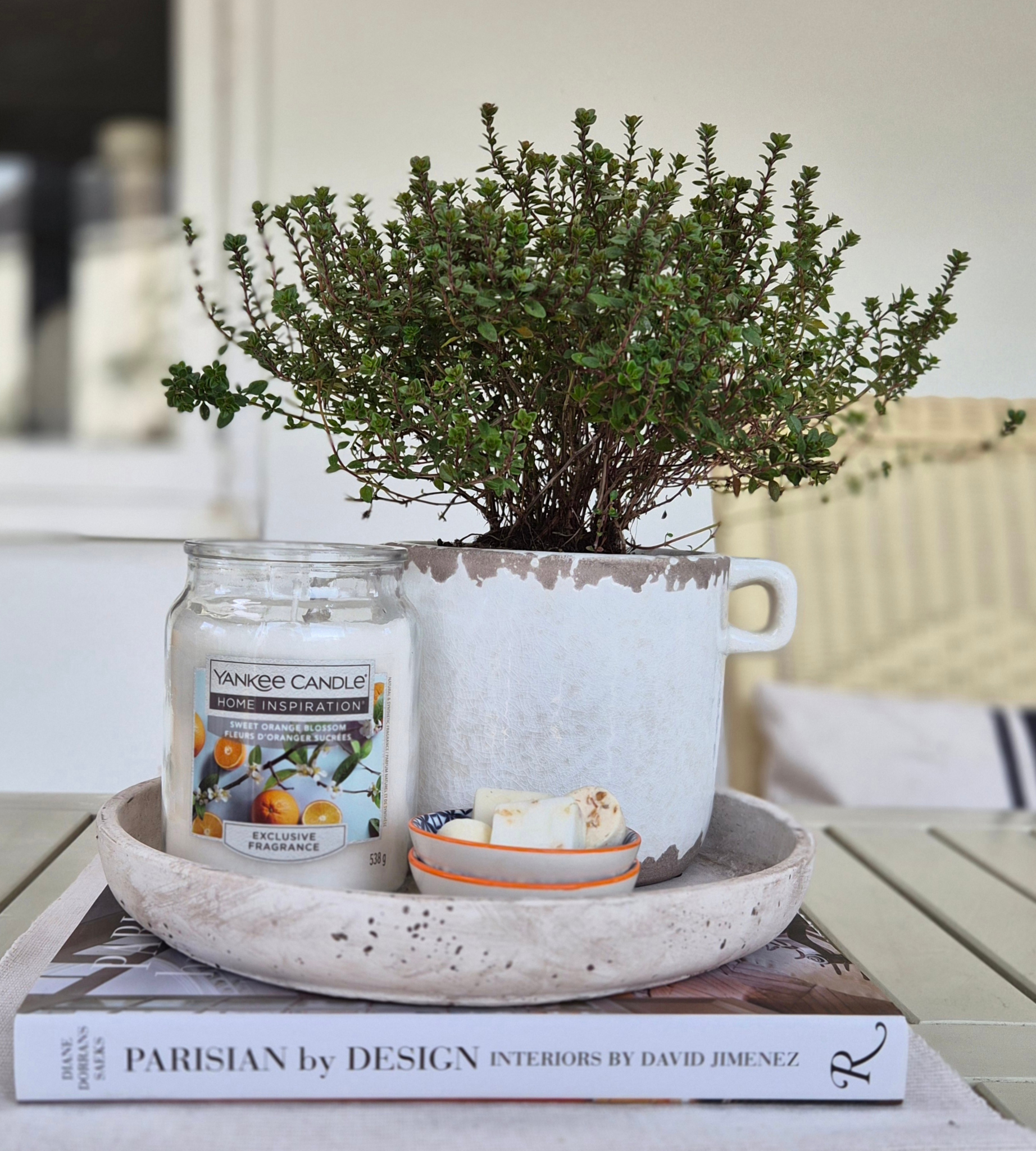
If your white room feels like a spa treatment room (and not in a good way), add warm woods, woven textures, soft textiles, natural materials and warm metals. White needs company — preferably tactile company.
When white works beautifully
White can be calm, architectural, timeless, grounding and quietly luxurious — but only when it’s the right white for the right room.
The magic happens when the undertone, the light and the materials all work together, and suddenly your space feels intentional, not accidental.
Final thought ….
If your white room looks dingy, cold or clinical, it’s not a failure — it’s just physics. And a little colour theory. And maybe a touch of optimism.
And if you’re standing in the paint aisle, overwhelmed by 150,000 shades of “white”, wondering which one won’t betray you at 4pm on a cloudy Tuesday… why not let me help you choose it? A second pair of trained eyes can save you time, money and a whole lot of repainting.